Skip to content

    When everyone chips in, everyone gets a say

    Some things are bigger than one person: a neighborhood project, a mutual-aid fund, a team cause. A community jar gives the whole group one shared link, and something no cash box ever could: every payout is proposed openly, voted on together, and recorded for all to see.
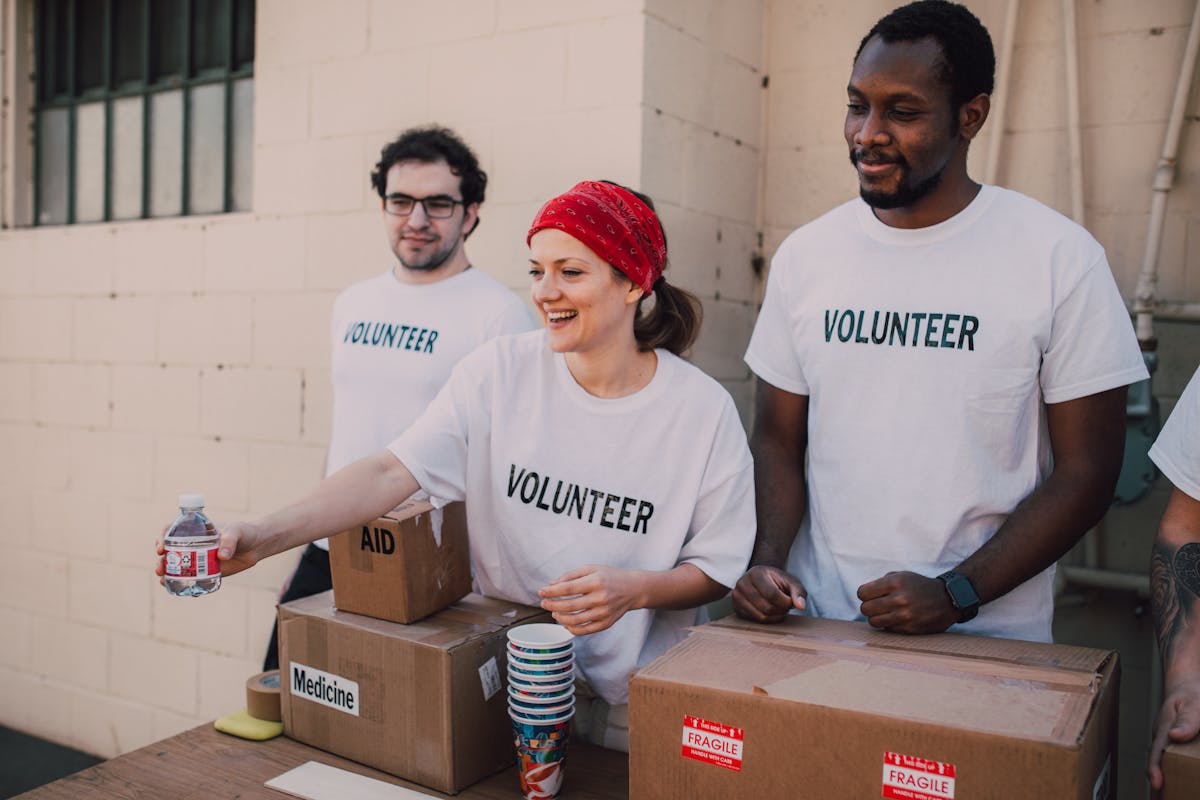
    Volunteers distributing aid together
    Payout approved, 4 of 6Block party supplies, $180

    How a community jar works

    Pooling money usually means trusting one person to hold it, and hoping. A community jar replaces the hope with a machine everyone can see running.

    1. Dana chipped in $30Total $1,240 of $2,000

      Step 1: Everyone chips in

      Share one link with the whole group. Neighbors, teammates, and members contribute by card, and the total gathers in one place everyone can watch grow.

    2. Leo proposed $450Garden soil and lumber

      Step 2: Anyone can propose a payout

      When it is time to spend, any co-creator requests a disbursement, naming the amount and exactly what it is for. No back-channel, no single keeper of the money.

    3. 3 of 5 voted yesMajority

      Step 3: The group votes

      Releasing funds takes a majority of the co-creators. One person can never move the money alone. The group decides together, every time.

    4. Garden suppliesReleased, on the ledger$450

      Step 4: Released and recorded

      On a majority yes, the payout goes out and lands in the ledger (amount, purpose, and date), visible to everyone who showed up. Nothing moves in the dark.

    Everyone sees everything

    Contributions and every approved payout are on one open ledger. No private balances, no guesswork.

    Up to 10 co-creators

    Add the trusted people who should have a vote. Each can post updates, rally support, and weigh in on payouts.

    Money moves by majority

    A disbursement only releases when the group agrees. A tie holds the funds in place until there is a clear majority.

    Raising money for one community occasion? See the community fundraiser guide.

    Ways communities show up together

    Illustrative examples, not customer testimonials.

    Volunteers working together at an outdoor event

    The block that takes care of its own

    A neighborhood pools an ongoing fund for shared projects: a community garden, a repaved path, a welcome basket for the new family. Any neighbor can propose where it goes, and the street decides together.

    A neighbor welcoming volunteers at his door

    The PTA, booster club, or student org

    A school group rallies for the spring trip, the new uniforms, the fundraiser drive. Officers each get a vote, treasurer duty stops falling on one exhausted volunteer, and every parent can see where the money landed.
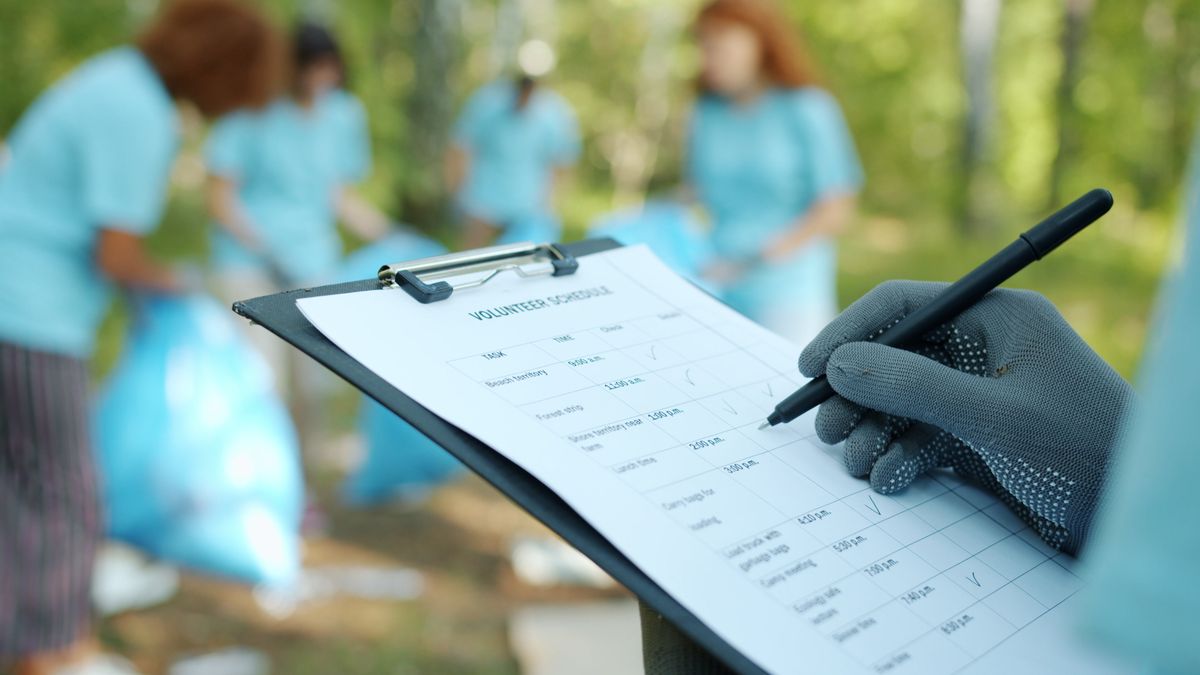
    Volunteers working on an outdoor project

    When a neighbor hits a crisis

    Fire, flood, a sudden medical bill: the community shows up fast. A community jar lets several trusted people collect and release help transparently, so nobody carries the weight, or the suspicion, alone.

    Questions communities ask

    Who can see the contributions and how the money is spent?
    Everyone who showed up. A community jar keeps one open ledger: the running total, every contribution, and every approved payout with its purpose. There are no private balances and no single person quietly holding the books.
    How does voting on a payout work?
    Any co-creator can request a disbursement, naming the amount and what it is for. The money only releases when a majority of the co-creators approve it, so no one person can move funds on their own.
    What happens if a vote ties?
    A tie does not pass. The funds stay exactly where they are until there is a clear majority in favor. When money is involved, the safe default is that nothing moves without the group behind it.
    Can we add more co-creators later?
    Yes. You can add up to 10 trusted co-creators, and you can bring people in as the effort grows. Each co-creator can post updates, share the jar, and vote on how funds are used.
    What are the fees, and how do we get the money out?
    Contributions are processed securely by Stripe, which charges standard card-processing fees; EventJar adds a small platform fee shown before anyone pays. You cash out to a bank account through Stripe. The balance is the group’s, minus those transparent fees.
    Do contributors need an account or the app?
    No. A jar is just one link. Anyone can open it in a browser and pitch in. No download, no sign-up. Co-creators sign in only to propose and vote on payouts.

    Looking for the fundraiser-page basics instead? Read the community fundraiser guide.

    Rally your people, the honest way

    One link, a group that decides together, and a ledger that keeps everyone in the loop. That is a community jar.